

What happened when I switched to a minimalist skincare routine
In recent years, the concept of a minimalist skincare routine has gained traction among skincare enthusiasts, dermatologists, and beauty influencers alike. Faced with overflowing bathroom shelves and increasingly complex skincare routines, I wondered if less could really be more. This curiosity prompted me to simplify my daily routine—and the results were both surprising and instructive.
In this in-depth post, I share what happened when I switched to a minimalist skincare routine, including the benefits, setbacks, skin improvements, and lessons I learned along the way. If you’re overwhelmed by too many products or struggle with sensitive skin, you may find this experience interesting.
Why I chose minimalist skincare
The decision to switch to minimalist skincare was not impulsive. Over time, my skin began to show signs of stress—frequent breakouts, redness, and irritation—even though I was using “high-quality” products. My routine included cleansers, toners, essences, serums, acids, masks, and creams. Although each product promised visible results, the combination was more harmful than helpful.
In addition, the growing popularity of skinimalism—a skincare philosophy that emphasizes simplicity—prompted me to rethink my approach. Dermatologists are increasingly emphasizing repairing the skin barrier and consistency rather than overloading with products, which perfectly aligned with my goals.
What is a minimal skincare routine?

A minimal skincare routine focuses on using fewer, high-quality products that meet the skin’s essential needs. Instead of layering multiple active ingredients on top of each other, it emphasizes skin health, balance, and sustainability.
A typical minimal routine includes:
- A gentle cleanser
- A moisturizer
- Sunscreen (morning routine)
- A targeted treatment (optional)
This approach reduces the risk of irritation while supporting the skin’s natural barrier function.
The products I kept in my minimalist skincare routine
When simplifying my routine, I consciously chose products that were multifunctional, fragrance-free, and dermatologically tested.
Cleanser
I switched to a gentle, sulfate-free cleanser that maintains the skin’s natural pH balance. This was crucial in preventing dryness and irritation.
Moisturizer
A lightweight, ceramide-rich moisturizer became the cornerstone of my routine. It supported the skin’s barrier function and hydration without clogging pores.
Sunscreen
Daily sunscreen application remained essential. A broad-spectrum SPF helped protect against premature aging and hyperpigmentation.
One skincare product
Instead of using several serums, I stuck with one targeted skincare product—niacinamide—to regulate sebum production and even out my uneven complexion.
The first two weeks: skin detoxification phase
The initial phase of switching to minimal skin care was challenging. My skin went through a phase that many refer to as a “detoxification phase.” Without regular exfoliation and active ingredients, my complexion looked dull and minor blemishes appeared.
However, dermatological studies show that this adjustment phase is normal. The skin needs time to rebalance sebum production and restore its protective barrier after prolonged exposure to aggressive formulations.
One month later: Visible improvements
After about four weeks, the first noticeable improvements became apparent. My skin felt calmer, less reactive, and better hydrated. Redness decreased significantly and blemishes appeared less frequently.
The most surprising result was the improved skin texture. By avoiding excessive exfoliation, my skin regained its natural smoothness. This confirmed my belief that simplified skincare can improve the skin’s resilience.
Benefits of a minimalist skincare routine
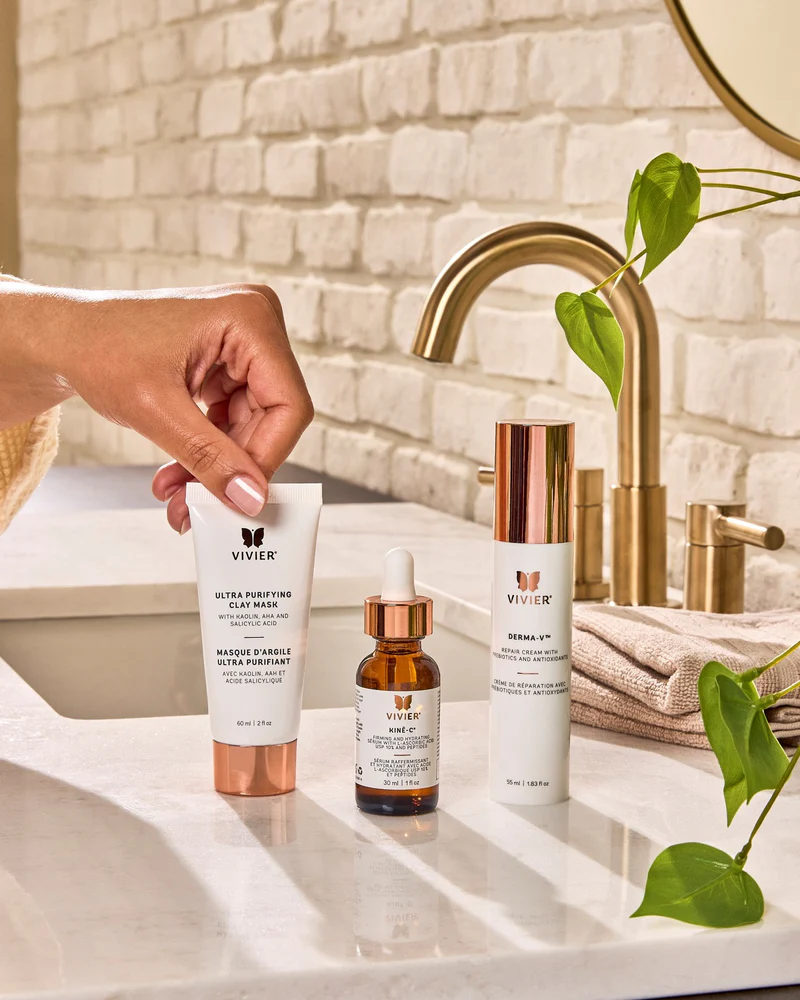
1. Improved skin barrier health
A minimalist routine allows the skin barrier to regenerate itself, reducing sensitivity and inflammation.
2. Fewer skin imperfections
Using fewer products reduced the risk of clogged pores and ingredient conflicts.
3. Time and cost efficiency
I spent less time applying products and significantly reduced my monthly spending on skincare products.
4. Easier consistency
Consistency is crucial in skincare, and a simplified routine is easier to stick to in the long run.
Challenges of minimalist skincare
Despite the benefits, switching to minimalist skincare is not without its challenges. Giving up trendy products can be uncomfortable, especially when the results aren’t immediately visible. In addition, it takes patience and a willingness to experiment to find out which products really suit your skin’s needs.
Another challenge was resisting the urge to constantly “correct” minor imperfections. Minimalist skincare teaches acceptance and long-term thinking instead of instant gratification.
Who should consider a minimal skincare routine?
A simplified approach to skincare is ideal for:
- People with sensitive or acne-prone skin
- People who suffer from product-related irritation
- Beginners who feel overwhelmed by complex routines
- Anyone who wants to achieve sustainable, long-term skin health
However, people with certain skin conditions may still need targeted treatments under professional guidance.
Expert opinions on minimalist skincare
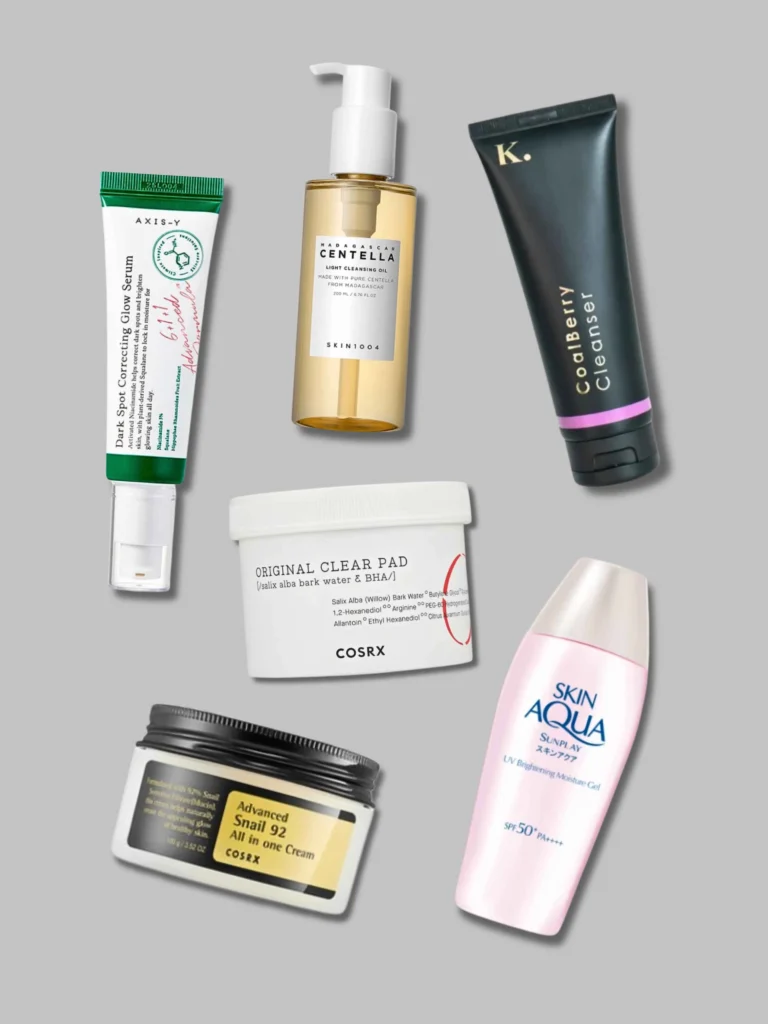
Many dermatologists advocate evidence-based skincare and focus on a few proven ingredients rather than extensive routines. According to experts, excessive use of active ingredients can disrupt the microbiome and lead to chronic skin problems.
Minimalist skincare is in line with medical recommendations as it focuses on protection, hydration, and gentle treatment.
Final thoughts: Was switching to minimal skincare worth it?
Looking back, switching to minimal skincare was one of the best decisions I’ve made for my skin. This experience has shown me that when it comes to skincare, it’s not about quantity, but quality and consistency.
Minimal skincare may not work miracles overnight, but over time it promotes healthier, stronger skin. If you feel overwhelmed or frustrated with your current routine, simplifying it may be just what your skin needs.
Frequently asked questions about minimal skincare
How long does it take to see results from minimal skincare?
Most people notice improvements within 3 to 6 weeks, depending on their skin type and previous routine.
Can minimal skincare help acne-prone skin?
Yes, reducing the number of products you use can help reduce inflammation and prevent clogged pores.
Do I need expensive products for minimal skincare?
No. Effective minimal skincare focuses on the composition of the products, not the price.