
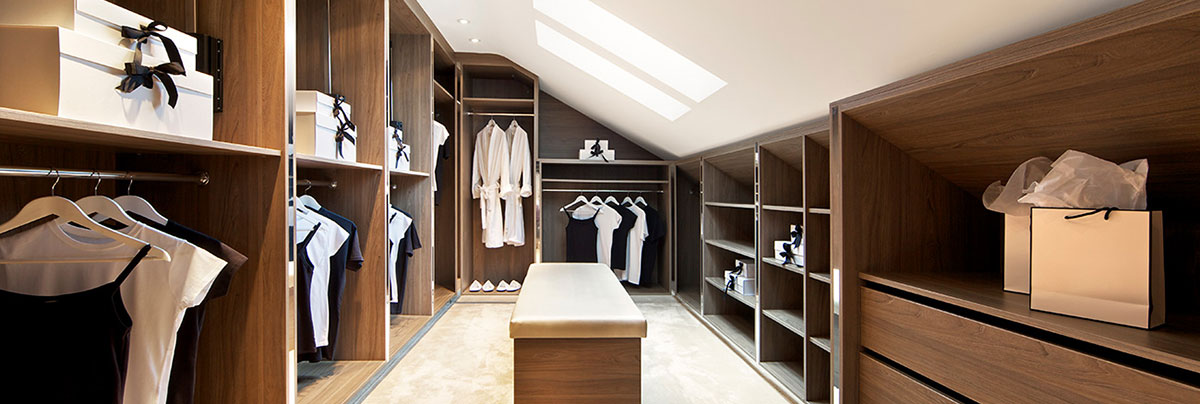
Introduction: What I wish I had known before putting together my wardrobe
Putting together a wardrobe sounds exciting—new clothes, fresh styles, and the promise of feeling confident every day. However, what I wish I had known before putting together my wardrobe is that style isn’t about buying more, it’s about buying smarter. Like many other people, I made impulsive fashion decisions, followed trends, and filled my closet with clothes I rarely wore.
If you’re starting from scratch or looking to refresh your wardrobe, knowing what to look for when building a wardrobe can save you money, time, and disappointment. This guide covers wardrobe planning mistakes, smart fashion tips, and important lessons to help you create a wardrobe that actually fits your lifestyle.
First, you need to understand your personal style
One of the most important lessons in building a wardrobe is to identify your personal style before you start shopping.
Why personal style is important when building a wardrobe
Before you buy anything, you need to understand the following:
- Your daily routine
- Your work environment
- Your comfort preferences
- Your fashion inspirations
When I first put together my wardrobe, I bought clothes that looked good on other people but didn’t suit my lifestyle. Knowing your personal style before you put together your wardrobe ensures that every piece you buy serves a purpose.
Tip: Define your style clearly and concisely.
Ask yourself:
- Do I prefer minimalist, classic, trendy, or casual fashion?
- Which outfits make me feel confident?
- Which colors do I naturally gravitate toward?
Quality over quantity isn’t just a saying.
Another important insight I wish I had had before building my wardrobe is the importance of quality over quantity.
Why buying high-quality clothing saves money
Cheap clothing may seem attractive at first glance, but often:
- It loses its shape after washing.
- It fades quickly.
- It needs to be replaced frequently.
Investing in high-quality garments means fewer replacement purchases and better long-term value.
Important garments worth investing in
- Well-fitting jeans.
- Neutral blazers.
- Comfortable everyday shoes.
- Durable winter coats.
High-quality basics form the backbone of a functional wardrobe.
Trends can ruin your wardrobe if you’re not careful.
Blindly following trends was one of my biggest mistakes when it came to my wardrobe.
The danger of trend-oriented shopping
Fashion trends change quickly. Building a wardrobe based solely on trends leads to:
- Clothes that quickly go out of style.
- A closet full of “nothing to wear.”
- Wasteful spending
Instead, timeless fashion pieces should form the basis of your wardrobe.
How to balance trends and timeless fashion
- Put together 80% classic basics.
- Add 20% trendy pieces for variety.
This balance ensures that your wardrobe stays current without you having to constantly buy new clothes.
Fit is more important than brand names
Before I put my wardrobe together, I focused too much on brands instead of fit.
Why the right fit changes your wardrobe
Even affordable clothes look high-quality when they fit well. Poorly fitting clothes look unpolished, regardless of the brand.
Fit tips for building your wardrobe
- Have important garments tailored.
- Know your exact measurements.
- Avoid buying clothes in the hope that they will fit later.
Understanding fit is an important lesson in building a stylish wardrobe.
Color coordination makes getting dressed easier
One underrated lesson I wish I had known before building my wardrobe is color planning.
Why color palettes are important
A wardrobe with random colors limits the number of outfit combinations. A coordinated color palette:
Makes it easier to combine outfits
- Reduces decision fatigue
- Maximizes outfit possibilities
The best colors for building a wardrobe
- Black
- White
- Beige
- Gray
- Navy blue
Once you have a solid neutral base, accent colors can be added effortlessly.
Your lifestyle should determine your wardrobe choices
Buying clothes without considering your daily life leads to wasting money.
Build your wardrobe around your real life, not your fantasies.
Ask yourself:
- How often do I attend formal events?
- Do I work from home or in an office?
- How active is my everyday life?
If 80% of your life is casual, your wardrobe should reflect that. This is one of the most practical wardrobe planning tips I’ve learned.
Shoes and accessories are more important than you think.
At first, I underestimated the importance of shoes and accessories when putting together my wardrobe.
Why accessories complete your wardrobe.
Accessories can:
- Enhance simple outfits.
- Add personality.
- Make outfits look deliberate.
Essential accessories for your wardrobe.
- Neutral sneakers
- Formal shoes
- Minimalist jewelry
- Structured bags
A few well-chosen accessories greatly increase the versatility of your outfits.
Shopping with a list prevents wardrobe mistakes
Impulse purchases were my biggest mistake when it came to fashion.
Why a wardrobe checklist is essential
A wardrobe shopping list helps you:
- Avoid duplicate purchases
- Prevent unnecessary purchases
- Stick to your budget
Identify gaps in your wardrobe before you go shopping. This approach makes building your wardrobe strategic rather than emotional.
Seasonal planning saves money and space
Another thing I wish I had known earlier is seasonal wardrobe planning.
How seasonal planning improves the efficiency of your wardrobe
- Buy winter clothes before the peak season.
- Store off-season items properly.
- Avoid panic buying.
Seasonal planning keeps your wardrobe organized and cost-effective.
Decluttering is part of building a wardrobe
Building a wardrobe isn’t just about buying, it’s also about letting go.
Why decluttering improves style
A cluttered wardrobe:
- Hides your best clothes
- Causes decision fatigue
- Leads to unnecessary purchases
Regular decluttering helps you understand what really suits you.
Budget planning is essential when building a wardrobe.
Without a budget, building a wardrobe can quickly become expensive.
Smart tips for budget planning when building a wardrobe.
- Spend more money on the essentials.
- Spend less on trends.
- Keep track of your clothing expenses.
Budget planning helps your wardrobe grow in a conscious and sustainable way.
Sustainability is more important than ever.
Nowadays, it’s crucial to consider ethical and sustainable fashion.
Why sustainable choices are important for your wardrobe
- Reduce your environmental impact.
- Support ethical brands.
- Promote conscious consumption.
Building a sustainable wardrobe benefits both your style and the planet.
Final thoughts: What I wish I had known before building my wardrobe
Looking back, I wish I had known that style is a long-term investment. It’s not about how much you own, but how well everything fits together.
By focusing on the following:
- Personal style
- High-quality garments
- Good fit
- Lifestyle needs
- Strategic shopping
you can put together a wardrobe that feels effortless, stylish, and functional every day.
Whether you’re starting from scratch or revamping your closet, these tips will help you avoid common mistakes and build a wardrobe you’ll truly love.