
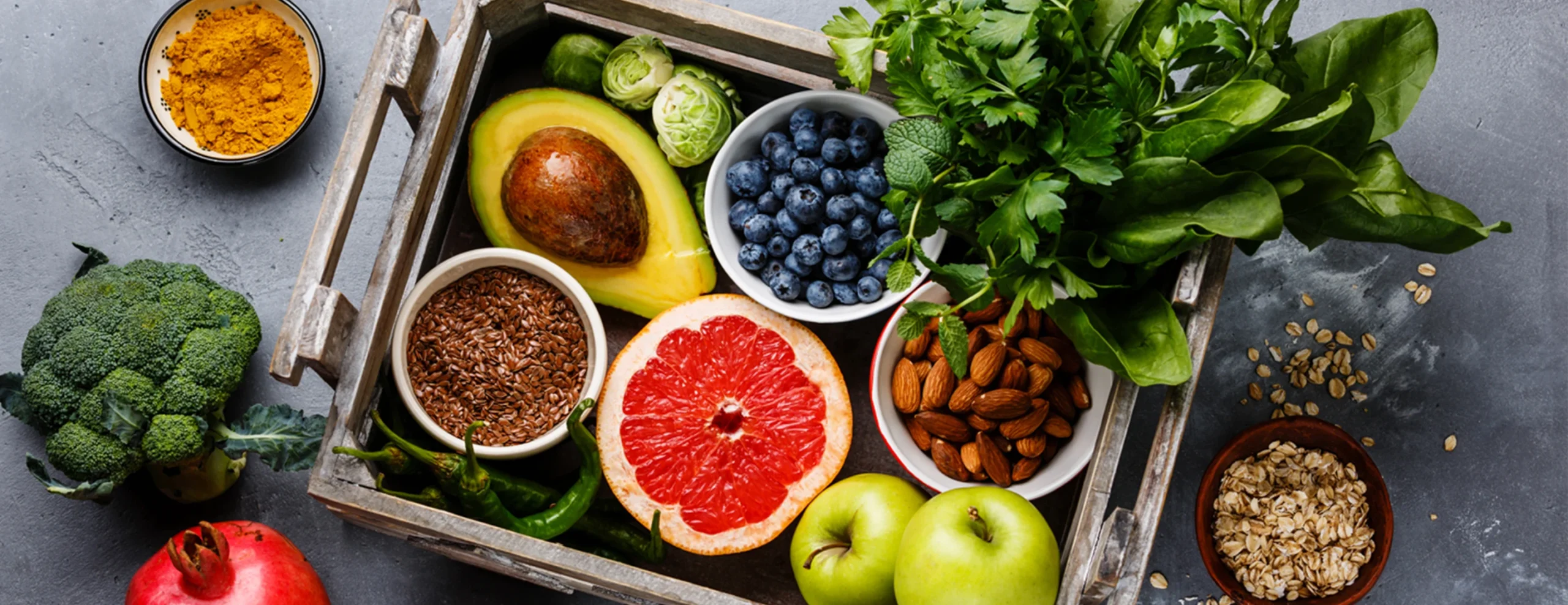
Healthy foods for your daily diet: A practical guide to better nutrition
Eating a healthy diet every day is one of the most effective ways to improve your overall health, energy levels, and long-term well-being. In today’s fast-paced world, processed foods, sugary snacks, and ready meals often replace nutritious, balanced meals. However, healthy eating does not require extreme diets or expensive superfoods. Rather, it is about consistency, balance, and making smarter food choices every day.
This guide will show you how to develop sustainable healthy eating habits, choose nutrient-rich foods, and create balanced meals that fit seamlessly into your daily routine.
Why healthy foods are important in everyday life

Choosing healthy foods every day promotes both physical and mental health. Eating nutrient-rich meals helps regulate blood sugar levels, improve digestion, strengthen the immune system, and reduce the risk of chronic diseases such as diabetes, obesity, and heart disease.
The benefits of healthy eating in everyday life include:
- More energy and concentration
- Better weight control
- Stronger immune system
- Healthier skin, hair, and nails
- Lower risk of lifestyle-related diseases
When healthy eating becomes a lifestyle rather than just a short-term goal, the results are long-lasting and sustainable.
Understanding balanced nutrition for daily meals
A balanced diet is the foundation of healthy eating. Each meal should contain a combination of essential nutrients that efficiently supply the body with energy.
Important components of a balanced diet
- Proteins: Support muscle regeneration and immune function.
- Carbohydrates: Provide energy for daily activities.
- Healthy fats: Promote brain health and hormone balance.
- Vitamins and minerals: Support general bodily functions.
- Fiber: Improves digestion and gut health.
By focusing on balance rather than restrictions, you can enjoy a wide variety of foods and still eat healthily.
Healthy foods you should eat every day
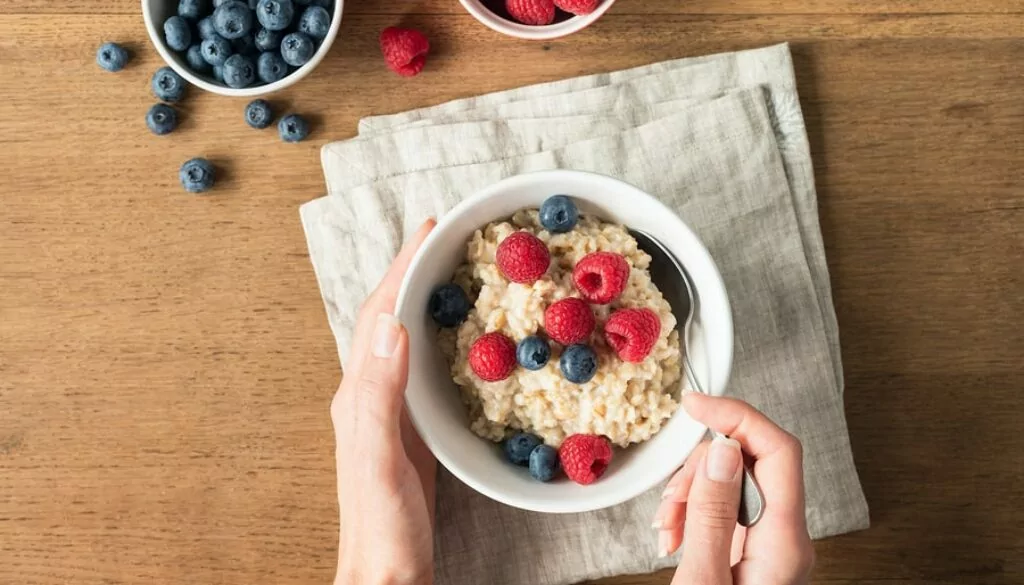
By including nutrient-rich foods in your daily meals, you ensure that your body gets the vitamins and minerals it needs.
1. Fruit and vegetables for your daily diet
Fruit and vegetables are essential for a healthy diet due to their high fiber, vitamin, and antioxidant content.
The best options for daily consumption:
- Leafy greens (spinach, kale, lettuce)
- Seasonal fruits (apples, bananas, oranges)
- Colorful vegetables (carrots, peppers, tomatoes)
Try to fill half of your plate with fruits and vegetables to ensure optimal nutrition.
2. Whole grains for sustained energy
Whole grains are a healthier alternative to refined grains because they contain fiber and important nutrients.
Healthy whole grains include:
- Brown rice
- Oats
- Whole grain bread
- Quinoa
These foods help maintain consistent energy levels and improve digestion.
3. Lean protein for your daily diet
Protein is essential for maintaining muscle mass and feeling full.
Healthy sources of protein include:
- Eggs
- Fish
- Chicken breast
- Beans and lentils
- Greek yogurt
Including protein in every meal helps control hunger and supports overall health.
4. Healthy fats for a balanced diet
Healthy fats are often misunderstood, but they are essential for brain and heart health.
Examples of healthy fats include:
- Olive oil
- Nuts and seeds
- Avocados
- Fatty fish such as salmon
When eating a balanced diet, moderation is key when it comes to consuming fats.
Foods to limit for a healthier everyday diet
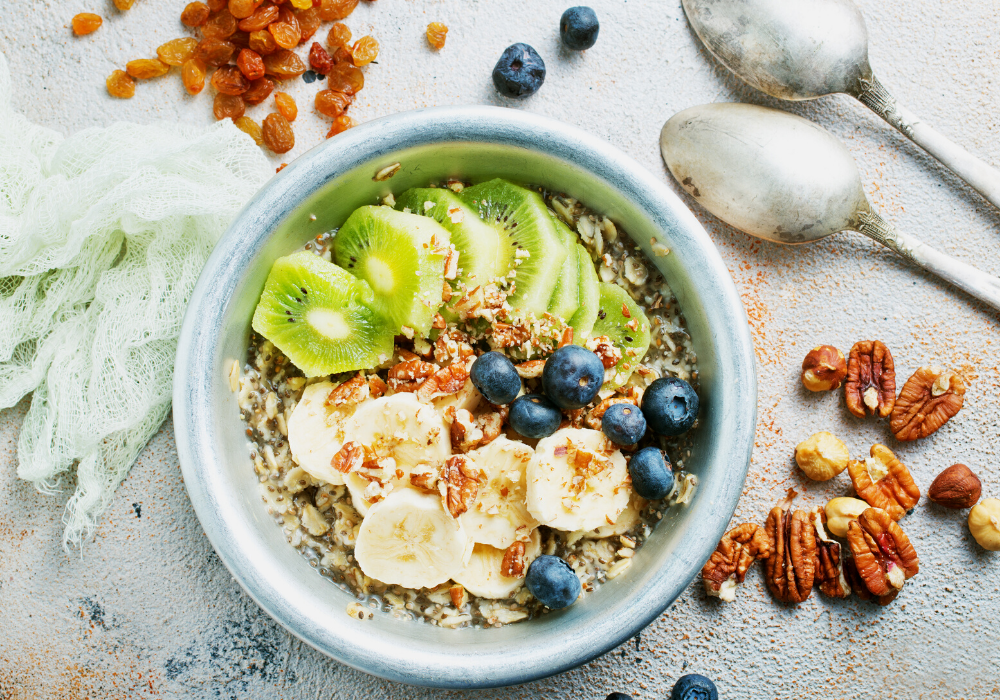
While no food needs to be completely eliminated, certain products should be limited for optimal health.
Foods that should be reduced include:
- Sugary drinks
- Highly processed snacks
- Fried foods
- Excessive refined carbohydrates
- Artificial sweeteners
Replacing these foods with healthier alternatives improves overall nutrition without feeling restricted.
Healthy eating habits for a sustainable lifestyle
Developing consistent eating habits is just as important as choosing the right foods.
1. Pay attention to portion sizes
The right portion sizes prevent overeating and support weight control. Use smaller plates and pay attention to your hunger signals.
2. Eat mindfully every day
Mindful eating helps you enjoy your food and recognize when you are full. Avoid distractions such as screens while eating.
3. Make sure you drink enough fluids
Drinking enough water supports digestion, metabolism, and energy levels. Drink at least 8 glasses per day.
4. Plan your meals in advance
Planning meals promotes healthier food choices and reduces reliance on fast food or ready meals.
Healthy food choices for a busy lifestyle
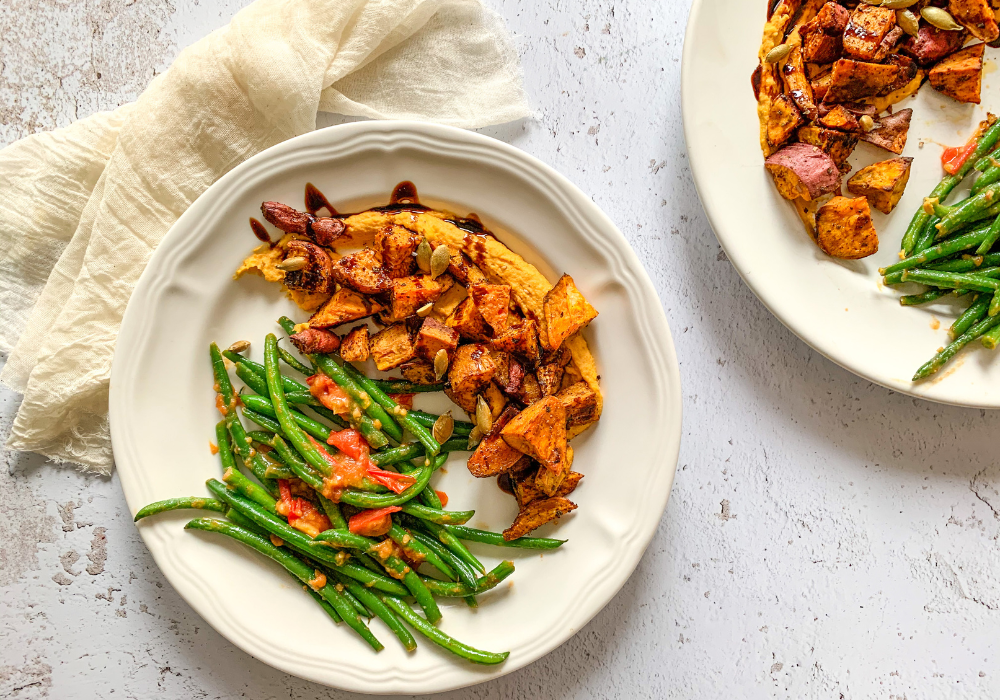
Even with a hectic schedule, it is possible to maintain healthy eating habits.
Ideas for quick, healthy meals include:
- Overnight oats with fruit
- Wraps with grilled chicken and vegetables
- Smoothies with fruit and protein
- Boiled eggs and whole-grain toast
Preparing meals in advance saves time and ensures a balanced diet throughout the week.
How healthy eating promotes long-term well-being
A consistently healthy diet in everyday life contributes to long-term well-being. It improves heart health, promotes mental clarity, lifts your mood, and prevents malnutrition.
Healthy eating is not about perfection. Occasional exceptions are normal. The important thing is to eat a balanced diet and consistently return to nutritious foods.
Common myths about healthy eating
Myth 1: Healthy eating is expensive
Healthy foods such as beans, lentils, seasonal fruits, and whole grains are affordable and nutritious.
Myth 2: Healthy foods are bland
With herbs, spices, and the right cooking techniques, healthy meals can be tasty and enjoyable.
Myth 3: You have to follow strict diets
A sustainable healthy diet focuses on balance, not extreme restrictions.
Tips to start eating healthier today
- Add an extra vegetable to every meal.
- Replace sugary drinks with water.
- Choose whole foods over processed foods.
- Read nutrition labels.
- Focus on consistency, not perfection.
Small changes lead to significant long-term results.
Final thoughts on healthy eating choices for everyday life
Making healthy eating choices in your daily life is an important investment in your future health. By eating a balanced diet, choosing whole foods, and adopting sustainable habits, you can enjoy more energy, greater well-being, and a higher quality of life.
Healthy eating is not a trend, but a lifelong journey. Start making simple changes today, and your body will thank you for years to come.