
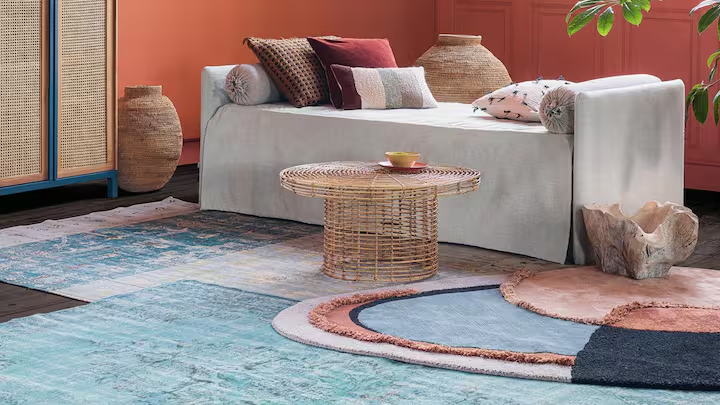
Rugs and cosiness: textures for ultimate comfort
To create a warm, inviting living space, it is no longer enough to choose a single statement piece. Current trends in interior design emphasize combining different textures for ultimate comfort, with rugs, fabrics, and materials being combined to create a cozy, homely atmosphere. The concept behind “rugs and cosiness” is simple but effective: combine tactile elements that invite relaxation while enhancing the aesthetics of your home.
In this guide, we’ll show you how to transform any room into an oasis of coziness with layered rugs and textured decorative elements. From choosing the right rug materials to harmoniously combining textures, this blog has everything you need to know to master the art of cozy living space design.
Understanding texture layering in interior design
Texture layering in interior design refers to the combination of multiple materials—such as wool, cotton, jute, velvet, and wood—to add depth and comfort to a space. Unlike visual layering, texture layering appeals to the sense of touch and emotions, making a room feel warm, balanced, and inviting.
Layering textures is particularly effective in modern homes, where clean lines and minimalist layouts can sometimes feel cold. Adding multi-layered rugs, soft throws, plush pillows, and tactile fabrics fills this gap, creating both visual interest and physical comfort.
Why carpets are the foundation of cozy interiors
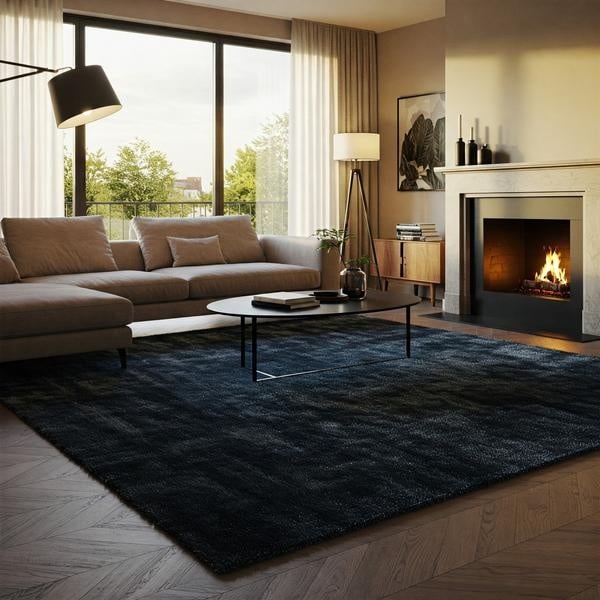
When it comes to combining textures for ultimate comfort, carpets play a fundamental role. A well-chosen carpet anchors furniture, defines spaces, and provides softness underfoot. Multi-layered carpets, in particular, allow homeowners to combine patterns, materials, and sizes to achieve a curated look.
Benefits of using rugs for comfort and warmth
- Provides insulation and warmth to floors.
- Reduces noise and echoes in open spaces.
- Creates visual zones in large rooms.
- Increases comfort in living rooms and bedrooms.
Whether you choose a thick shag rug or a flat-woven underlay, rugs are an essential part of the Rugs and Hugs interior design philosophy.
How to combine rugs like a design expert
Combining rugs is one of the most effective ways to achieve texture depth and comfort. The key is balance—combine complementary textures without overloading the space.
Start with a base rug
A neutral, flat-woven rug made of jute, sisal, or cotton works well as a foundation. These rugs provide structure and allow other textures to shine.
Add a soft top layer
Place a softer rug—such as wool, faux fur, or shag—on top for added comfort. This top layer adds a cozy element and makes the room feel warm and inviting.
Play with shapes and sizes
Rectangular rugs combined with round or irregular shapes create visual interest. Make sure the top rug is smaller to maintain proportion and harmony.
The best rug materials for combining textures
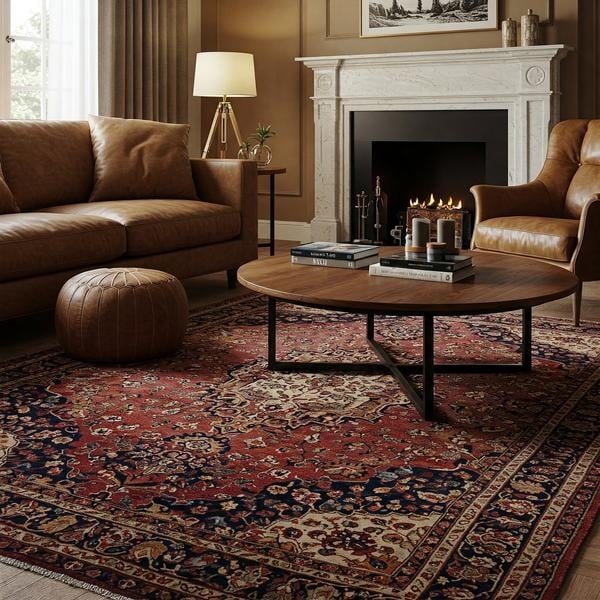
Choosing the right rug materials is crucial when it comes to comfort. Each material provides a unique tactile experience.
Wool rugs for warmth
Wool rugs are durable, soft, and naturally insulating. They are ideal for living rooms and bedrooms where comfort is paramount.
Cotton rugs for versatility
Cotton rugs are lightweight and breathable, making them perfect for layering. They are also easy to care for and inexpensive.
Jute and natural fiber rugs for balance
Jute and seagrass rugs bring earthy textures into play that ground soft layers. They are best suited as base rugs in multi-layered arrangements.
Faux fur rugs for maximum comfort
Faux fur rugs provide the ultimate cozy feeling, instantly conveying warmth and luxury. Use them sparingly so as not to overwhelm the room.
Beyond rugs: combining textures with home textiles
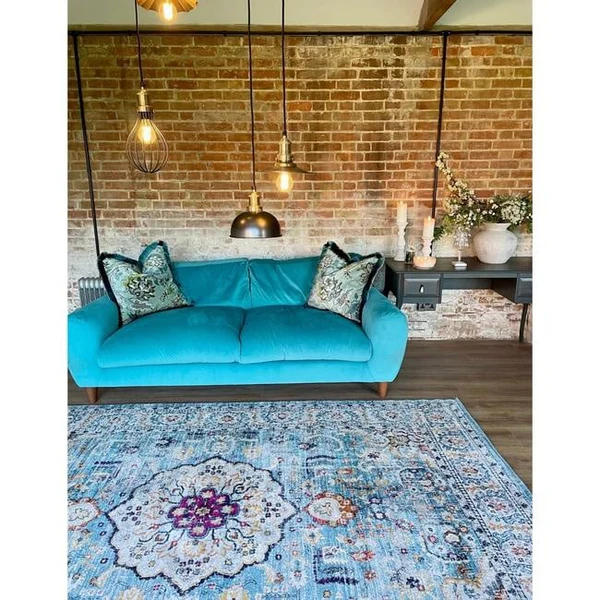
While rugs are essential, true texture combinations for interiors go beyond flooring. Home textiles increase the comfort factor and complete the layered look.
Pillows and throws
Combine pillow fabrics such as linen, velvet, knit, and faux fur. Layering different sizes and textures creates a relaxed, inviting atmosphere.
Curtains and drapes
Heavy curtains combined with sheer drapes add softness and depth to windows while improving insulation and ambiance.
Choosing upholstery
Combining leather sofas with fabric armchairs or textured ottomans adds contrast and balance to seating areas.
Create cozy areas with layered textures
One of the biggest advantages of layered textures is their ability to define spaces. This is especially useful in open-plan living areas.
Comfort zones in the living room
Layered rugs under coffee tables or seating areas create visual boundaries while increasing comfort.
Warmth and relaxation in the bedroom
Layered rugs next to or under the bed provide warmth underfoot and contribute to a peaceful environment.
Reading corners and nooks
A soft rug, blanket, and textured pillows can instantly transform unused corners into cozy retreats.
Color and texture: finding the right balance
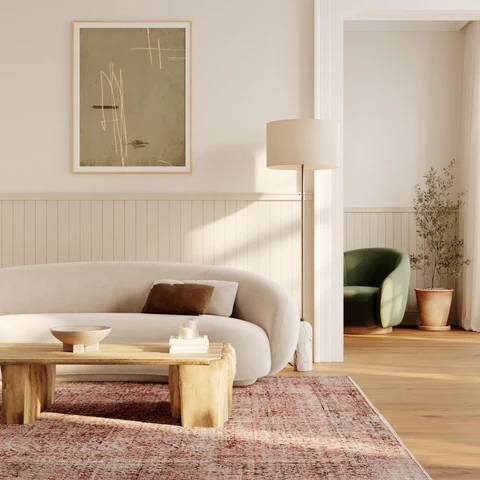
When combining different textures, color coordination is just as important as material selection. Neutral tones such as beige, gray, and cream work well as base colors because they highlight textured elements.
For a striking look, create contrast with darker rugs or patterned layers. The key is to maintain a consistent color palette while varying the textures to avoid visual clutter.
Seasonal texture layering for year-round comfort
Rugs and texture layering can be adjusted throughout the year to suit the season and ensure seasonal comfort.
- Winter: Opt for thick wool rugs, faux fur throws, and heavy fabrics.
- Summer: Switch to cotton rugs, lightweight throws, and breathable materials.
- Transitional seasons: Combine light and heavy textures to achieve balance.
This approach ensures that your home remains comfortable and stylish regardless of the season.
Common mistakes to avoid when combining rugs and textures
Even with the best intentions, combining textures can go wrong if not done carefully.
- Using too many eye-catching patterns.
- Ignoring the proportions and size of the rugs.
- Combining incompatible textures without a unifying color.
- Neglecting functionality in favor of aesthetics.
By avoiding these mistakes, your combined decor will look deliberate and comfortable rather than chaotic.
Final thoughts: Embracing the “Rugs and Hugs” lifestyle
The “Rugs and Hugs” approach to interior design goes beyond aesthetics—it’s about creating spaces that feel warm, inviting, and livable. By thoughtfully combining different textures for ultimate comfort, you can transform your home into a personal retreat that promotes relaxation and well-being.
From layered rugs and soft fabrics to upholstered furniture and seasonal accessories, combining different textures is a timeless design strategy that enhances both comfort and style. Whether you’re redecorating a single room or your entire home, combining different textures will create a cozy, inviting environment that truly feels like a hug.